
BRIGHT IDEAS FOR BETTER SMILES
Explore expert advice, orthodontic tips, and updates from our team.

Moving Teeth Around Implants: What You Need to Know About Orthodontics and Dental Implants
Dental implants are a fantastic solution for replacing missing teeth. They look natural, feel sturdy, and can last for decades with proper care. For many adults in Napoleon and Northwest Ohio, implants have restored their confidence and bite function. However, if you currently have dental implants—or are planning to get them—and are also considering orthodontic treatment like braces or Invisalign®, there is an important conversation to have. Unlike natural teeth, implants do not move. Understanding this difference is key to planning a successful smile transformation.

The Truth About "Waiting Until All Adult Teeth Are In"
There is a common belief among parents that orthodontic treatment is strictly for teenagers. You might hear friends say, “Just wait until he gets all his adult teeth,” or assume that braces are only necessary once the mouth looks fully formed. While there are many smiles that do wait until adolescence, this rule does not apply to every child. In fact, waiting too long can sometimes make treatment more complex, longer, and more expensive. At Shine Ortho Studio in Napoleon, Ohio, we believe in treating the individual smile, not just a calendar date. Here is why early evaluation matters and when intervening before age 7 can actually save you time and money down the road.
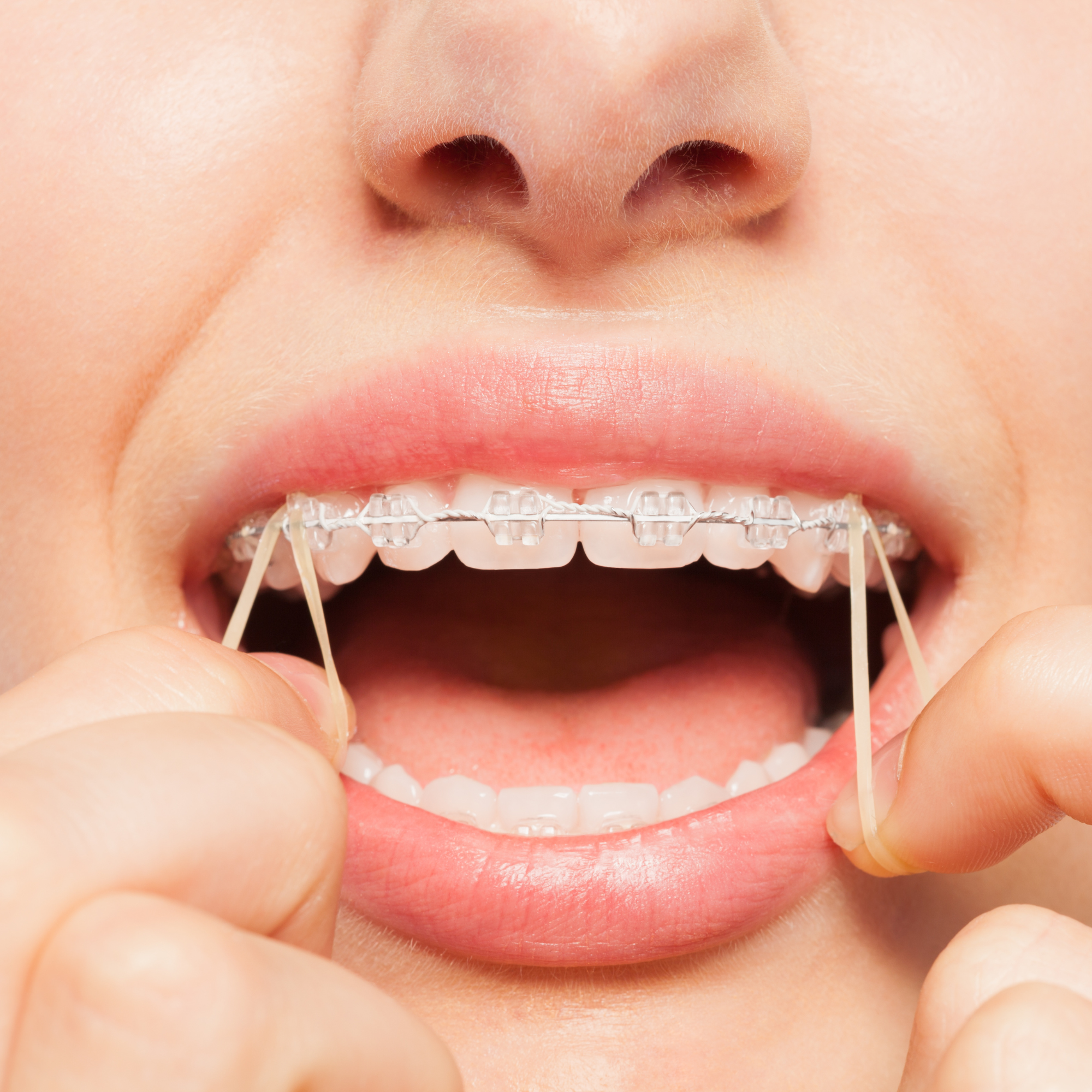
What to Do If Your Child Loses an Elastic Band or Retainer
It happens to the best of us: a bag of elastic bands goes missing, a retainer gets left at school, or an appliance cracks during recess. For parents and kids alike, losing orthodontic accessories can feel stressful. At Shine Ortho Studio, we know that life with braces or Invisalign® comes with unexpected moments. The good news? Losing an accessory is rarely a dental emergency, but it does require prompt attention to keep treatment on track. Here is exactly what to do if your child loses an elastic band, retainer, or other appliance.
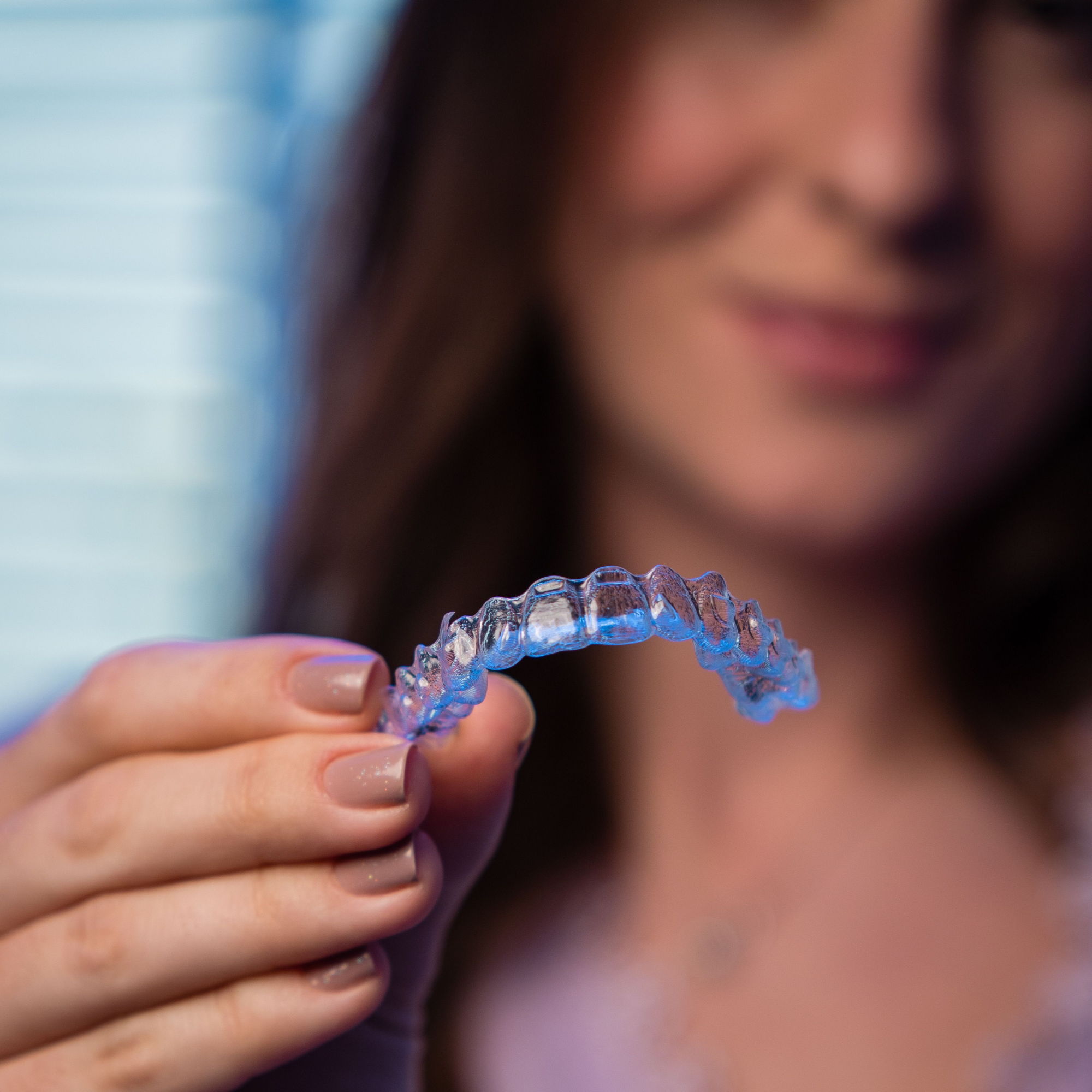
The Retention Reality: Why You Can’t Skip Your Retainers After Treatment
You have done the hard work. The braces are off, or the final Invisalign® aligner is in the mail. Your smile looks fantastic, your bite feels right, and you are ready to enjoy the confidence that comes with a straight, healthy smile. But before you celebrate, there is one non-negotiable step left: the retainer. At Shine Ortho Studio, we often hear patients ask if they can "take it easy" on their retainers after treatment ends. Maybe wear them only on weekends? The short answer is no. Skipping your retainers is the fastest way to undo months or even years of orthodontic progress. Here is why retention is critical and what happens when you skip it.
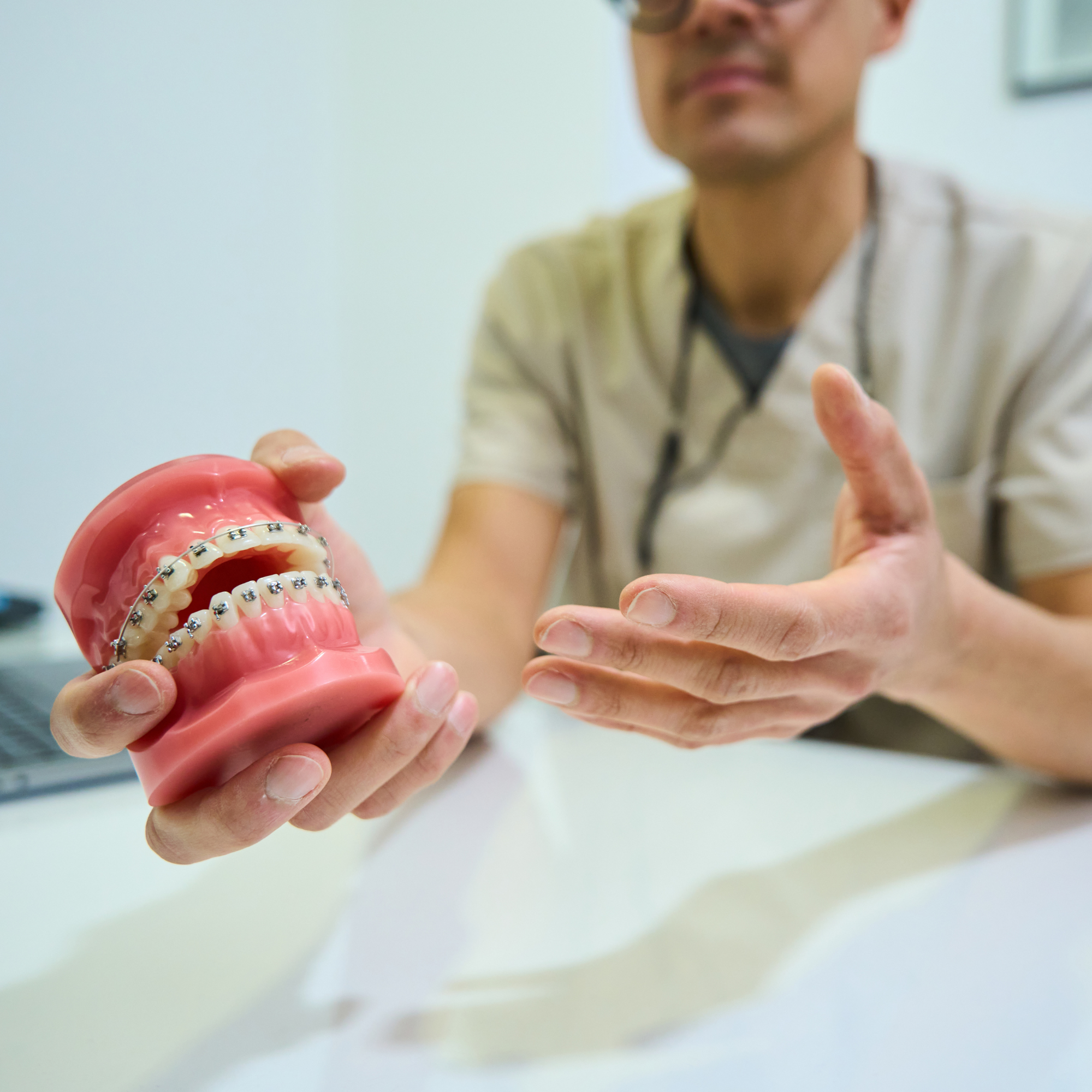
The Difference Between a Dentist and an Orthodontist: Who Should Treat Your Child?
Taking your child to the dentist is part of keeping their smile healthy, preventing cavities, and maintaining good oral hygiene. But when it comes to braces, aligners, or fixing a bite that does not sit quite right, do you stay with your general dentist, or should you see an orthodontist? It is a common question for parents in Napoleon, Sylvania, Maumee, Delta, Bowling Green, and throughout Northwest Ohio. Both dentists and orthodontists are highly trained dental professionals who care about your child’s smile. However, their training, focus, and approach to treatment are different. Understanding the difference can help you feel confident about which provider is best suited for your child’s specific needs.
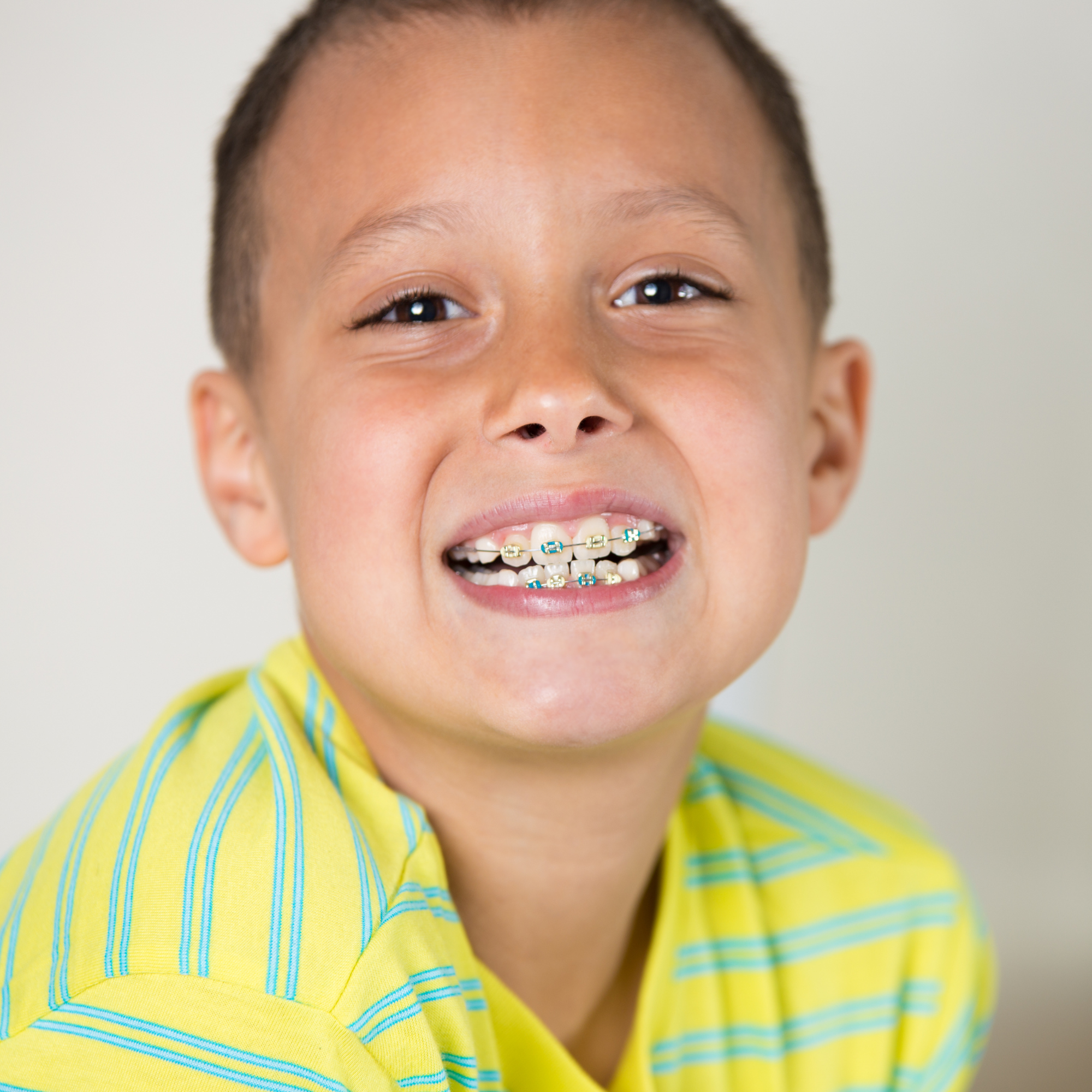
Is Early Orthodontic Treatment Worth the Investment?
When your orthodontist recommends an evaluation for your child at age 7, or suggests early treatment (often called Phase 1), it is natural to pause. After all, braces are a significant investment of time and money. If your child still has baby teeth, why not just wait until everything comes in? It is a fair question. Not every child needs early intervention. In fact, many children can wait until their teenage years without issue. However, for specific cases, starting treatment earlier can make a profound difference in the final outcome, comfort, and even the overall cost of care. Here is how to determine if early treatment is the right choice for your family.

Invisalign® for Teens: How to Stay on Track With School and Sports
High school life is a balancing act. Between classes, homework, extracurriculars, sports practices, and social events, staying organized can feel like a full-time job. Adding orthodontic treatment to that mix might seem like just one more thing to manage. But what if your treatment could fit into your lifestyle instead of the other way around? For many teens, Invisalign® clear aligners offer the perfect solution. They are discreet, removable, and designed for modern life. Here is how Invisalign® helps you stay on track with school, sports, and everything in between.
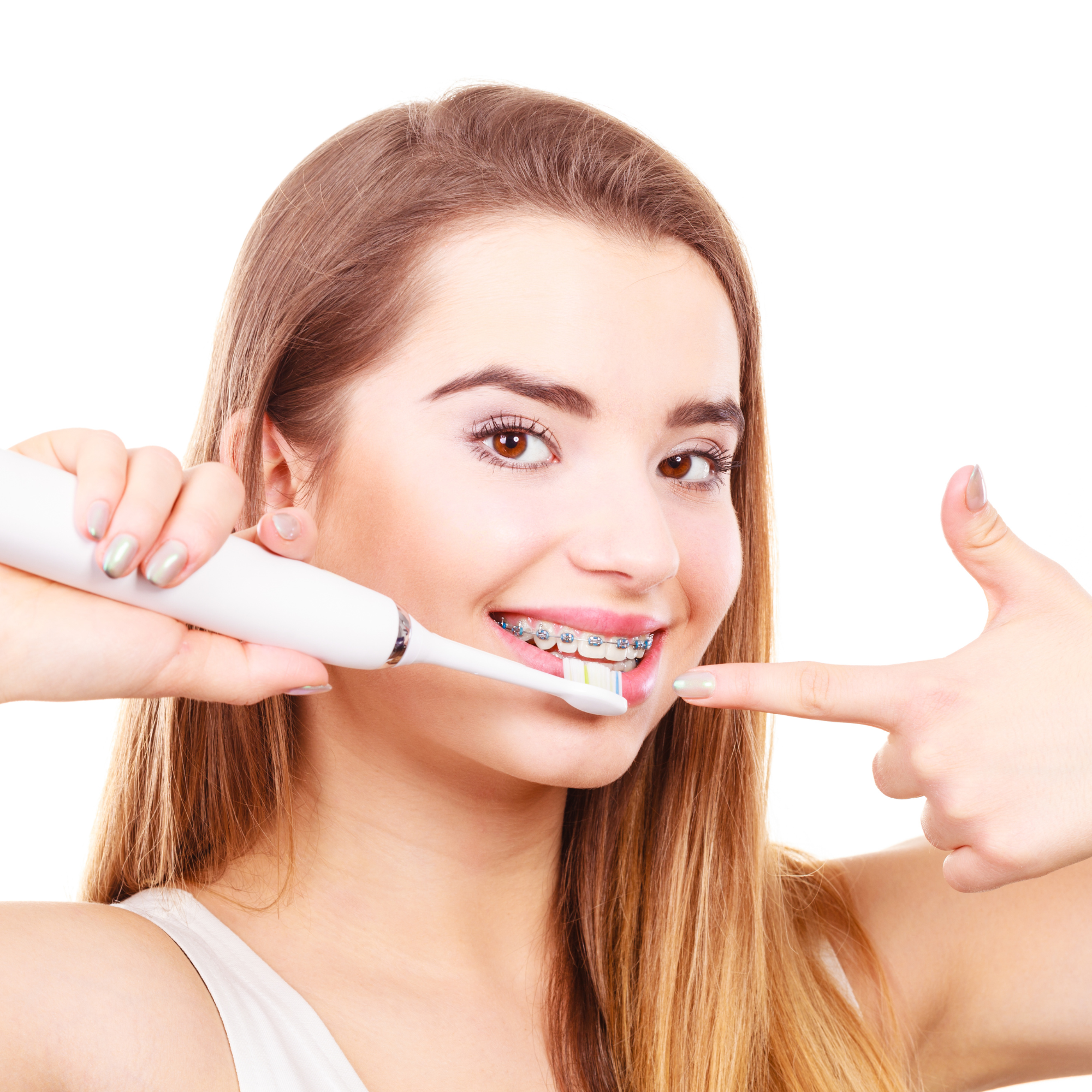
How to Keep Your Smile Healthy During Orthodontic Treatment
Getting braces or Invisalign® is an exciting step toward a confident smile. It is also a commitment. While your orthodontist works on straightening your teeth, you play the most important role: keeping them healthy. Orthodontic treatment changes how you care for your smile. Brackets and wires create new nooks for food to hide, and aligners can trap bacteria if not handled properly. The good news is that with a few simple habits, you can keep your teeth clean, your gums healthy, and your treatment on track. Here is how to maintain a healthy smile throughout your orthodontic journey.

The Best Age for an Orthodontic Evaluation: Why 7 Is the Magic Number
If you have heard that your child should see an orthodontist by age 7, you might be wondering why. Most children do not get braces until they are 11 or 12. So, why the early visit? The American Association of Orthodontists recommends that every child have an orthodontic evaluation by age 7. This is not because every seven-year-old needs braces. It is because age 7 is a unique window of time when orthodontists can see what is coming next.
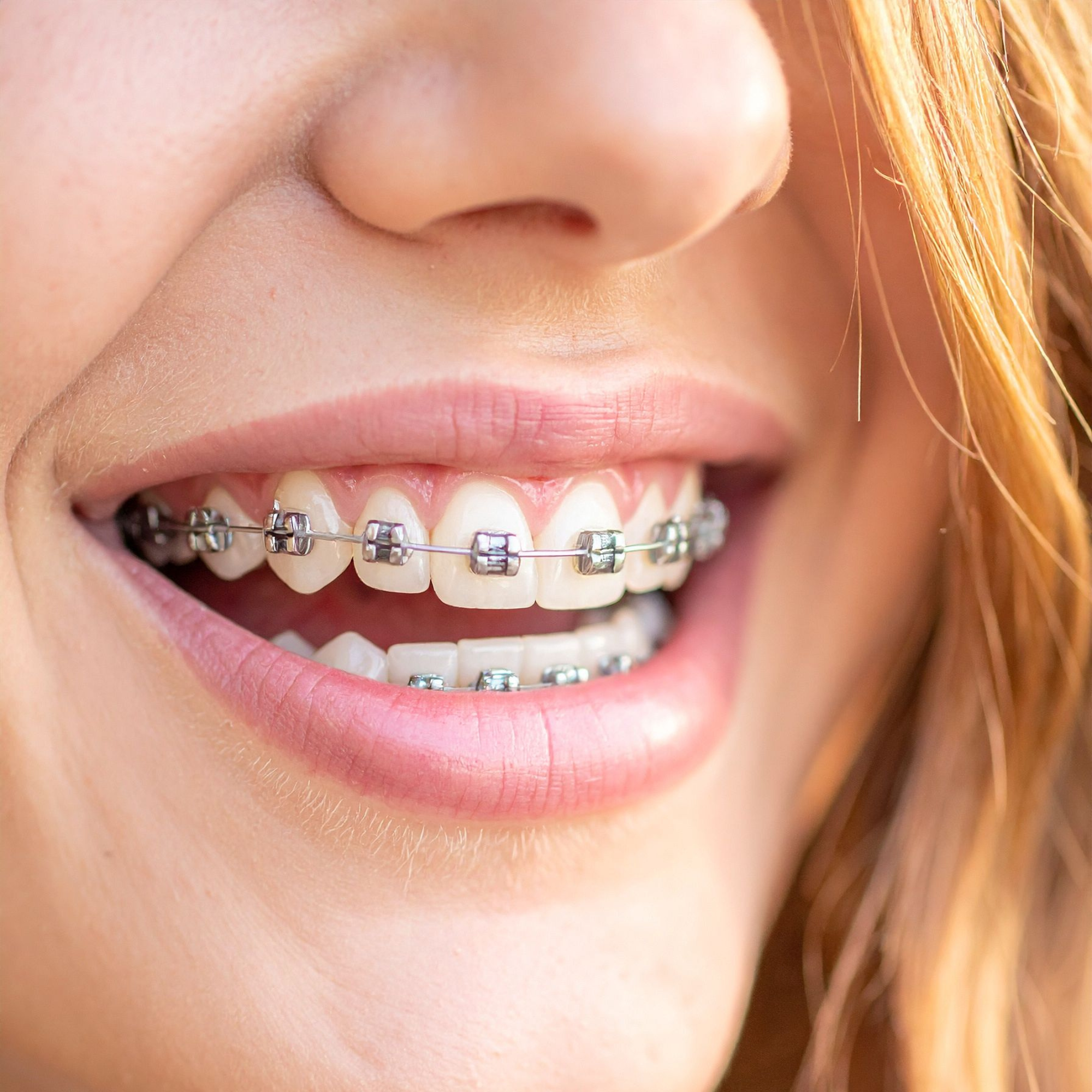
What Are LightForce™ Braces? A Closer Look at Custom 3D-Printed Brackets
Modern orthodontics is all about precision. For years, traditional braces used the same standard brackets for every patient. The orthodontist would select a bracket size and shape, glue it to the tooth, and then use wires to guide the teeth into place. While effective, this one-size-fits-all approach had limitations. Teeth are unique, and no two smiles are exactly alike. At Shine Ortho Studio, we offer LightForce™ braces, which change the game by using custom 3D-printed brackets. Here is what that means for your comfort, your treatment time, and your smile.

The 3 Most Important Things to Keep in Mind to Avoid Orthodontic Emergencies with Braces
Orthodontic emergencies are not always true emergencies, but a broken bracket or bent wire can be uncomfortable and may delay your treatment. The good news is that most orthodontic issues are preventable. By following a few simple habits, you can keep your braces in great shape and your treatment moving forward as planned.

What to Ask at Your Child's First Orthodontic Consultation
Your child's first orthodontic consultation is an exciting step toward a healthy, confident smile. It is also a great opportunity to learn more about your child's dental development and ask questions about what to expect. Going into the appointment with a few key questions can help you feel informed and confident about any recommendations.

What Age Is Too Late for Orthodontics?
Many adults wonder if they missed their chance for orthodontic treatment. Maybe they never had braces as a teen, or maybe their teeth have shifted years after previous treatment. The good news is that there is no specific age where orthodontics suddenly becomes “too late.” Healthy teeth can be moved at almost any age with the right treatment plan.

Why Are My Teeth Crooked If I Had Braces Before?
You spent months or even years wearing braces, so it can be frustrating to look in the mirror years later and notice that your teeth are no longer as straight as they once were. If you've been asking yourself, "Why are my teeth crooked again after braces?" you're not alone. This is one of the most common questions orthodontists hear from former patients.
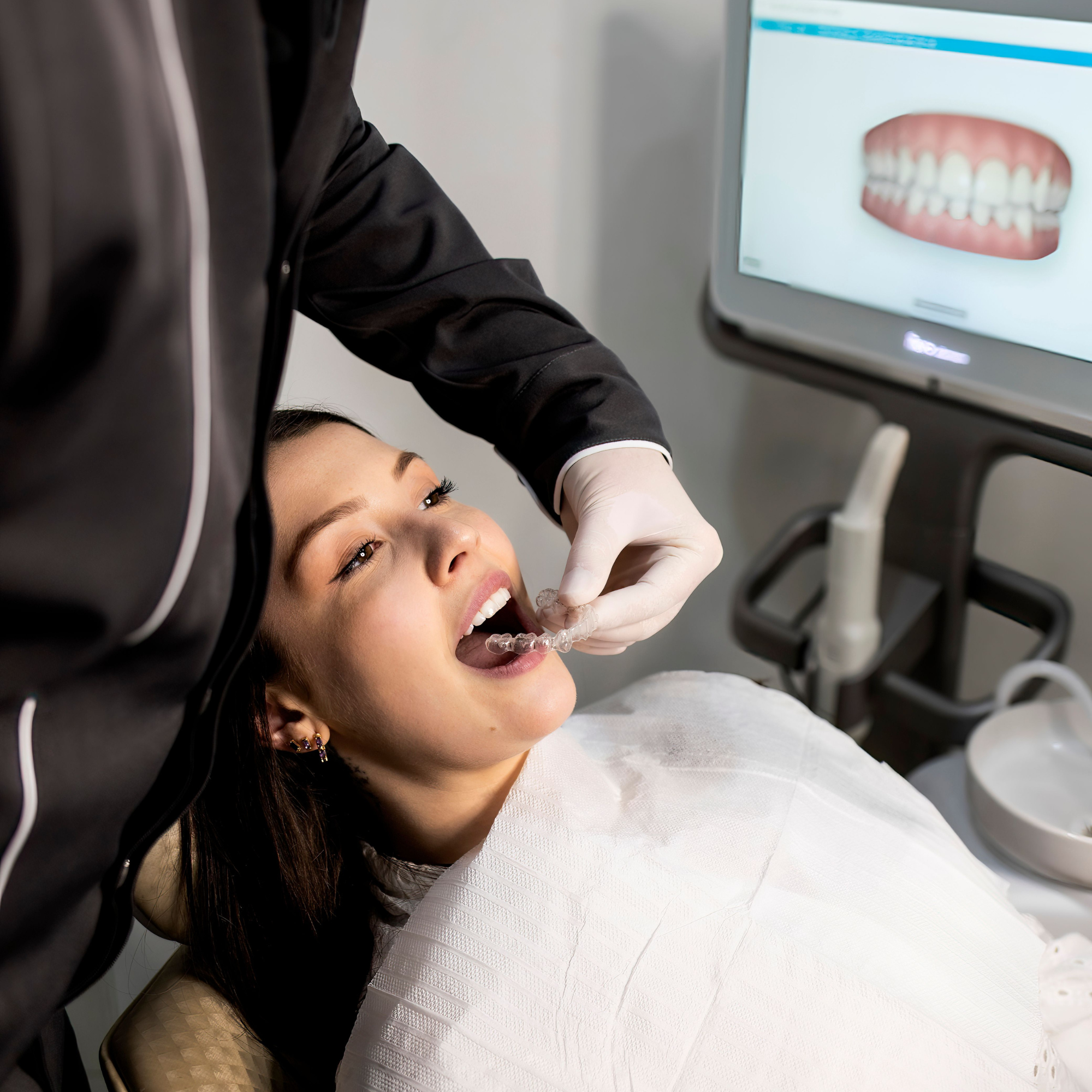
Are Clear Aligners Faster Than Braces?
When choosing between braces and clear aligners like Invisalign®, one of the first questions patients ask is, "Which one is faster?" The answer is not always straightforward. In some cases, clear aligners can be just as fast as braces. In other situations, braces may have an advantage. The truth is that treatment time depends more on your specific smile than the appliance itself.

Can Crooked Teeth Affect How Your Child Speaks?
When parents think about crooked teeth, they often focus on appearance. But the way teeth and jaws develop can affect more than just a smile. In some cases, tooth alignment and bite issues can influence how a child forms certain sounds and words.

Why Summer Is One of the Best Times to Start Orthodontic Treatment
Summer is one of the most popular times to begin orthodontic treatment, and for good reason. With school routines paused and schedules often more flexible, summer gives patients and families time to adjust to braces or clear aligners before the busy school year begins. Starting treatment during summer can make the transition feel smoother, less stressful, and easier to manage.

Foods That Are Genuinely Off Limits With Braces (and Why)
Getting braces does not mean you can never enjoy your favorite foods again, but it does mean being more careful about what you eat. Certain foods can damage brackets, bend wires, or get stuck in hard to clean places. Broken braces not only cause discomfort, they can also slow down treatment progress and lead to extra appointments. Understanding which foods are truly off limits and why can help keep your treatment on track and your smile healthy.

What Happens to Teeth When Wisdom Teeth Come In?
Wisdom teeth are the last set of molars to develop, usually appearing in the late teen years or early twenties. Because they erupt later than the rest of the teeth, many patients wonder whether wisdom teeth can affect the alignment of their smile, especially after orthodontic treatment. It is common to hear people blame wisdom teeth for shifting or crowding, but the full picture is a little more complicated.

Why More Moms Are Choosing Clear Aligners
Moms spend so much time taking care of everyone else that their own needs often end up at the bottom of the list. Between school schedules, sports practices, work, meals, and everything in between, it is easy to put your own smile on hold. But more moms are realizing something important. It is okay to invest in yourself too.